BIOMATERIALS
IN DENTISTRY
INFODENT
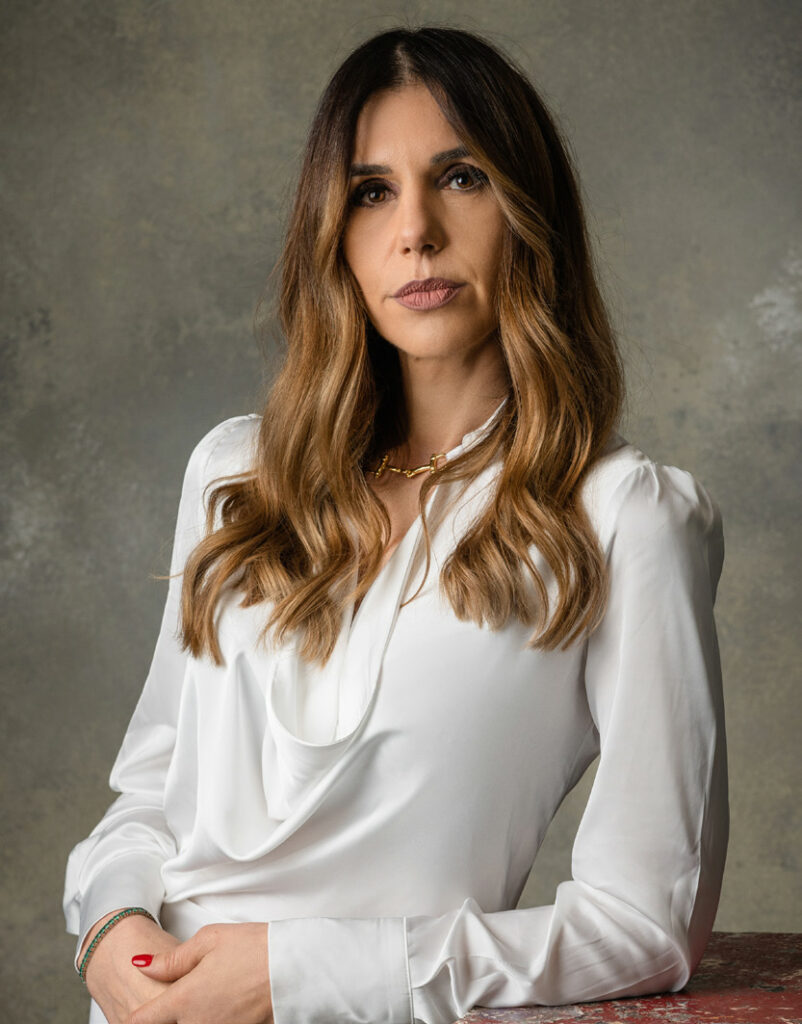
Interview with Ilenia Geretto, Special Attorney UBGEN srl – published in INFODENT 1-2/2026 NORTH ITALY pp. 30-31.
Ms. Geretto, how would you define the role of biomaterials in modern dentistry today?
The role of biomaterials in dentistry has changed profoundly in recent decades. From simple filler or replacement materials, they are now central elements of a biological approach to therapy. Biomaterial is no longer just a mechanical support, but an active interface between clinician and tissue, capable of promoting healing processes. The choice of material thus affects the function and biological response of hard and soft tissues, with direct impact on the quality and stability of results. Modern dentistry requires materials that are biocompatible, reliable, and can be harmoniously integrated with the body, meeting safety and predictability. Concepts such as biofunctionality, osteoconductivity, and, in some cases, bioinductivity are now an integral part of decision making, particularly in implant and regenerative settings. This approach makes treatments more predictable, less invasive, and reduces mid- and long-term complications.
What are the main classes of biomaterials currently used in dentistry?
In dentistry, there are different classes of biomaterials for specific clinical needs. Ceramics, such as zirconia and glass ceramics, are used in prosthodontics for strength, stability, and aesthetics; zirconia also has a growing role in implant dentistry. Polymers, such as composite resins, are key in restorative dentistry and have improved strength, color stability, and polymerization shrinkage in recent years. Metals, especially titanium alloys, remain a benchmark for biocompatibility and osseointegration. Alongside these, composite and bioactive biomaterials, such as calcium silicate cements, represent an area of strong innovation, especially in endodontics and conservative dentistry. In addition, bone grafts and barrier membranes are indispensable in oral surgery. Membranes are divided into nonresorbable, such as PTFE, which are stable but have risk of complications and need for removal, and resorbable, which degrade spontaneously and reduce the risk of exposure. Resorbable membranes are evolving, with improvements in durability, strength and bioactivity, making them increasingly reliable even in complex cases.
In recent years there has been a lot of talk about bioactivity. What does it mean concretely?
Bioactivity is one of the key concepts in dental biomaterials. A bioactive material interacts with the surrounding biological environment, stimulating favorable cellular responses, such as bone bond formation, mineralization or modulation of inflammation. Bioceramics and calcium silicate cements release calcium and phosphate ions, promoting hydroxyapatite formation and creating a favorable environment for regeneration. Bone graft materials are also among the leading examples of bioactivity: among allografts, xenografts and synthetics, bovine xenografts are among the best documented for biological behavior and clinical reliability. Bioactivity accompanies healing, improving stability and predictability of outcomes, especially in complex settings.
Biomaterial today is no longer passive: it dialogues with tissues and directs healing and integration processes.
What innovations have most influenced implantology in recent years?
Innovations have focused on implant surfaces designed to be micro- and nanotextured, increasing the contact area with bone and improving osteoblastic cell adhesion for faster and more stable osseointegration. Bioactive coatings and surface treatments promote early biological response, allowing early and immediate loading in many cases. There is also growing attention to the interaction between implant and soft tissue, to preserve their long-term health and stability.
In restorative dentistry, what are the most relevant new developments from a materials perspective?
Restorative materials are evolving in aesthetics, strength, and minimally invasive approach. The latest generation of composite resins have optimized particle distribution, balancing strength and aesthetics. CAD/CAM ceramics are reliable and durable. Hybrid materials, with ceramic matrix and polymer components, combine elasticity and strength while reducing fractures. There is growing interest in ion-release materials, which support caries prevention and marginal integrity, introducing a more biological approach.
Has digital also influenced the development of biomaterials?
Digital has had a major impact. CAD/CAM technologies and 3D printing require standardized and predictable materials, leading to the production of preformed blocks and discs with strict quality control. Prosthetic design integrated with digital enables more precise treatment planning. However, technology does not replace knowledge of materials: understanding their properties remains essential for reliable and predictable results.
What is the role of translational research in this area?
Translational research links basic research and clinical application, turning innovations into real patient benefits. In vitro and in vivo studies evaluate cellular response, biocompatibility, and long-term behavior of materials. Only rigorous pathways, including controlled clinical trials, allow new biomaterials to be introduced responsibly, reducing the risk of failure and building solid scientific evidence.
In your opinion, are there any limitations or critical issues still open in the use of biomaterials?
Some critical issues remain. Individual biological response may vary due to disease or patient habits. Long-term durability is central, especially for new materials. Improper or simplified use without adequate training may compromise predictability and quality of clinical outcomes.
If you had to identify a paradigm shift in dental biomaterials, what would it be?
The change concerns the relationship between biomaterial and organism. Today, materials dialogue with tissues and adapt to local biological conditions, promoting healing and integration. Personalization, made possible by digital technologies, points to greater consistency between clinical indication, biological response, and long-term results, with a future tied to scientific knowledge, technology, and clinical responsibility.
Interview with Ilenia Geretto, Special Attorney UBGEN srl – published in INFODENT 1-2/2026 NORTH ITALY pp. 30-31.
Ms. Geretto, how would you define the role of biomaterials in modern dentistry today?
The role of biomaterials in dentistry has changed profoundly in recent decades. From simple filler or replacement materials, they are now central elements of a biological approach to therapy. Biomaterial is no longer just a mechanical support, but an active interface between clinician and tissue, capable of promoting healing processes. The choice of material thus affects the function and biological response of hard and soft tissues, with direct impact on the quality and stability of results. Modern dentistry requires materials that are biocompatible, reliable, and can be harmoniously integrated with the body, meeting safety and predictability. Concepts such as biofunctionality, osteoconductivity, and, in some cases, bioinductivity are now an integral part of decision making, particularly in implant and regenerative settings. This approach makes treatments more predictable, less invasive, and reduces mid- and long-term complications.
What are the main classes of biomaterials currently used in dentistry?
In dentistry, there are different classes of biomaterials for specific clinical needs. Ceramics, such as zirconia and glass ceramics, are used in prosthodontics for strength, stability, and aesthetics; zirconia also has a growing role in implant dentistry. Polymers, such as composite resins, are key in restorative dentistry and have improved strength, color stability, and polymerization shrinkage in recent years. Metals, especially titanium alloys, remain a benchmark for biocompatibility and osseointegration. Alongside these, composite and bioactive biomaterials, such as calcium silicate cements, represent an area of strong innovation, especially in endodontics and conservative dentistry. In addition, bone grafts and barrier membranes are indispensable in oral surgery. Membranes are divided into nonresorbable, such as PTFE, which are stable but have risk of complications and need for removal, and resorbable, which degrade spontaneously and reduce the risk of exposure. Resorbable membranes are evolving, with improvements in durability, strength and bioactivity, making them increasingly reliable even in complex cases.
In recent years there has been a lot of talk about bioactivity. What does it mean concretely?
Bioactivity is one of the key concepts in dental biomaterials. A bioactive material interacts with the surrounding biological environment, stimulating favorable cellular responses, such as bone bond formation, mineralization or modulation of inflammation. Bioceramics and calcium silicate cements release calcium and phosphate ions, promoting hydroxyapatite formation and creating a favorable environment for regeneration. Bone graft materials are also among the leading examples of bioactivity: among allografts, xenografts and synthetics, bovine xenografts are among the best documented for biological behavior and clinical reliability. Bioactivity accompanies healing, improving stability and predictability of outcomes, especially in complex settings.
Biomaterial today is no longer passive: it dialogues with tissues and directs healing and integration processes.
What innovations have most influenced implantology in recent years?
Innovations have focused on implant surfaces designed to be micro- and nanotextured, increasing the contact area with bone and improving osteoblastic cell adhesion for faster and more stable osseointegration. Bioactive coatings and surface treatments promote early biological response, allowing early and immediate loading in many cases. There is also growing attention to the interaction between implant and soft tissue, to preserve their long-term health and stability.
In restorative dentistry, what are the most relevant new developments from a materials perspective?
Restorative materials are evolving in aesthetics, strength, and minimally invasive approach. The latest generation of composite resins have optimized particle distribution, balancing strength and aesthetics. CAD/CAM ceramics are reliable and durable. Hybrid materials, with ceramic matrix and polymer components, combine elasticity and strength while reducing fractures. There is growing interest in ion-release materials, which support caries prevention and marginal integrity, introducing a more biological approach.
Has digital also influenced the development of biomaterials?
Digital has had a major impact. CAD/CAM technologies and 3D printing require standardized and predictable materials, leading to the production of preformed blocks and discs with strict quality control. Prosthetic design integrated with digital enables more precise treatment planning. However, technology does not replace knowledge of materials: understanding their properties remains essential for reliable and predictable results.
What is the role of translational research in this area?
Translational research links basic research and clinical application, turning innovations into real patient benefits. In vitro and in vivo studies evaluate cellular response, biocompatibility, and long-term behavior of materials. Only rigorous pathways, including controlled clinical trials, allow new biomaterials to be introduced responsibly, reducing the risk of failure and building solid scientific evidence.
In your opinion, are there any limitations or critical issues still open in the use of biomaterials?
Some critical issues remain. Individual biological response may vary due to disease or patient habits. Long-term durability is central, especially for new materials. Improper or simplified use without adequate training may compromise predictability and quality of clinical outcomes.
If you had to identify a paradigm shift in dental biomaterials, what would it be?
The change concerns the relationship between biomaterial and organism. Today, materials dialogue with tissues and adapt to local biological conditions, promoting healing and integration. Personalization, made possible by digital technologies, points to greater consistency between clinical indication, biological response, and long-term results, with a future tied to scientific knowledge, technology, and clinical responsibility.